“What is the price of Experience? do men buy it for a song
Or wisdom for a dance in the street? No it is bought with the price
Of all that a man hath, his house his wife his children.” – William Blake
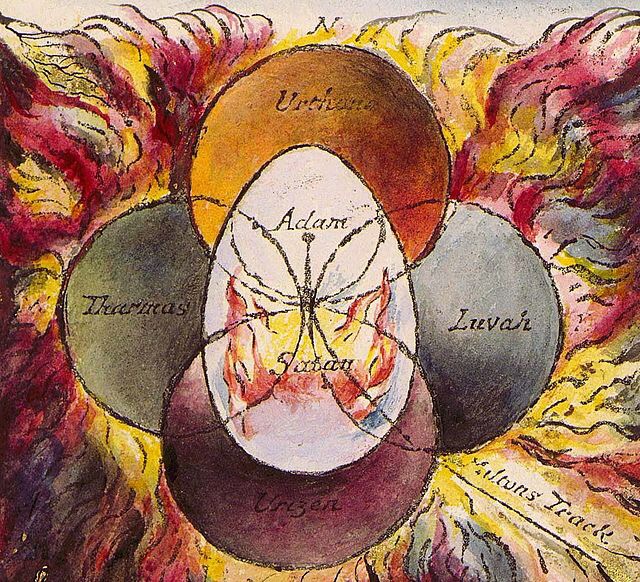
“What is the price of Experience? do men buy it for a song
Or wisdom for a dance in the street? No it is bought with the price
Of all that a man hath, his house his wife his children.” – William Blake
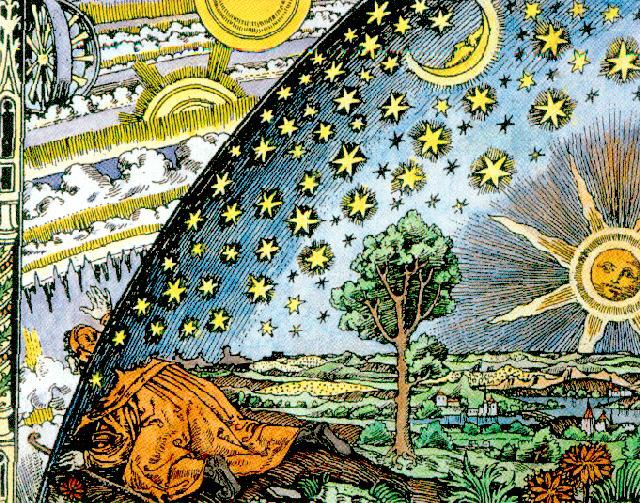
“There are only two ways to get it unraveled. One is to sleep, the other is travel” – Jim Morrison
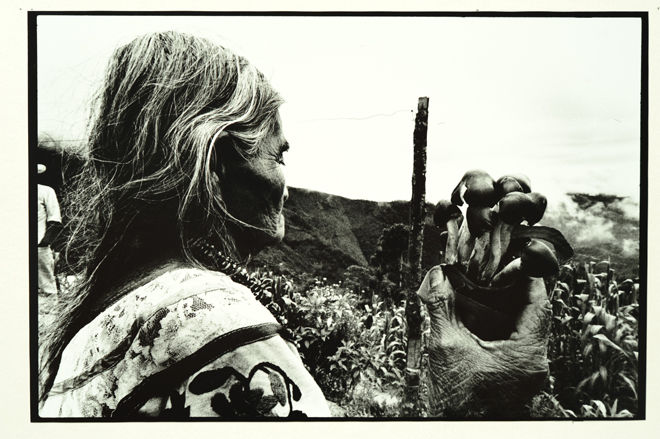
“Nevertheless, the shaman remains the dominating figure; for through this whole region in which the ecstatic experience is considered the religious experience par excellence, the shaman, and he alone, is the great master of ecstasy. A first definition of this complex phenomenon, and perhaps the least hazardous, will be: shamanism = technique of ecstasy.” – Mercea Eliade
“What, then, is this devata, the Brahman? It is an a-caryam, i.e. ‘that in whose presence we must exclaim ‘aaah!’ And one cannot ‘illustrate’ the numinous character of this ‘aaah!’ by any better analogy than that of the lightning here given. The unexpectedness and suddenness of the lightning-flash, its dreadful weirdness, its overpoweringness and dazzling splendour, the fright and the delight of it, give it an almost numinous impressiveness, and indeed often do produce an actual impression on the mind” – Rudolf Otto
“Creative mythology […] springs not, like theology, from the dicta of authority, but from the insights, sentiments, thought, and vision of an adequate individual, loyal to his own experience of value. Thus it corrects the authority holding to the shells of forms produced and left behind by lives once lived. Renewing the act of experience itself, it restores to existence the quality of adventure, at once shattering and reintegrating the fixed, already known, in the sacrificial creative fire of the becoming thing that is no thing at all but life, not as it will be or as it should be, as it was or as it never will be, but as it is, in depth, in process, here and now, inside out.” – Joseph Campbell
“The sheer brutality of the interplay of the the mutually antagonistic interest systems of kama [pleasure], artha [power], and dharma [duty] [is] softened, beautified, and significantly enriched by the operation of a fourth principle, that of the mind’s awe before the cognized mystery of the world.” – Joseph Campbell
“Silam or Silam inua, ‘the inhabitant soul (inua) of the universe,’ is never seen; its voice alone is heard. ‘All we know is that it has a gentle voice like a woman, a voice ‘so fine and gentle that even children cannot become afraid.’ What it says is: sila ersinarsinivdluge, ‘be not afraid of the universe.'” – Najagneq of north Alaska.
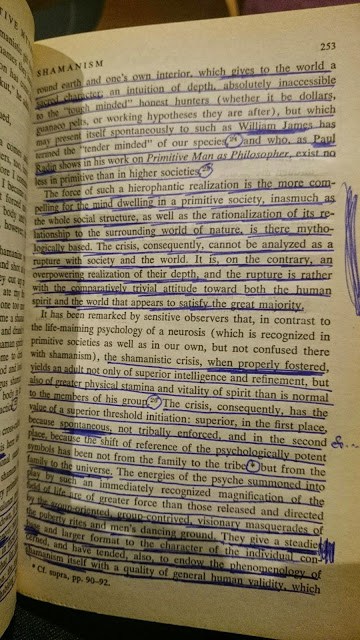
“the shamanistic crisis, when properly fostered, yields an adult not only of superior intelligence and refinement, but also of greater physical stamina and vitality of spirit than is normal to the members of his group. The crisis, consequently, has the value of superior threshold initiation: superior, in the first place, because spontaneous, not tribally enforced, and in the second place, because the shift of reference of the psychologically potent symbols has been not from the family to the tribe, but from the family to the universe. The energies of the psyche summoned into play by such an immediately recognized magnification of the field of life are of greater curve than those released and directed by the group-oriented, group-contrived, visionary masquerades of the puberty rites and men’s dancing ground. They give a steadier base and larger format to the character of the individual concerned, and have tended, also, to endow the phenomenology of shamanism itself with a quality of general human validity, which the local rites-of whatever community-simply do not share.” – Joseph Campbell

 Travel Like a King